

Chamber Cleaning
Chamber Cleaning Process Explained: Step-by-Step Guide
Sewage and drainage chambers play a crucial role in transporting wastewater away from residential, commercial, and industrial properties. Over time, sludge, solid waste, grease, silt, and other deposits can accumulate inside these chambers.
When this buildup becomes excessive, it can restrict wastewater flow and lead to issues such as foul odors, slow drainage, blockages, and overflows.
Professional chamber cleaning helps remove accumulated waste and maintains the drainage system in optimal operating condition.

What Is Chamber Cleaning?
Chamber cleaning is the process of removing accumulated sludge, debris, sewage waste, and other deposits from drainage or sewage chambers.
The cleaning requirements may vary depending on the chamber size, type of waste, location, and the level of buildup.
For chambers connected to busy drainage or sewage systems, regular inspection and timely cleaning can help prevent serious blockages.
Why Does a Drainage Chamber Get Dirty?
A chamber can accumulate various types of waste over time, including:
- Sludge and silt
- Solid waste
- Grease and oil deposits
- Mud and debris
- Organic waste
- Wastewater deposits
If these materials are not removed, they can gradually reduce the available flow area within the chamber.
Signs Your Chamber Needs Cleaning
A chamber may require professional cleaning if you notice the following:
- Slow Drainage
If wastewater is taking longer than usual to flow through the drainage system, accumulated deposits may be restricting the passage. - Foul Odour
A persistent bad smell around the chamber could indicate accumulated sewage, organic waste, or stagnant wastewater. - Repeated Blockages
If the same drainage line gets blocked repeatedly, there may be significant sludge or solid buildup in the chamber. - Wastewater Overflow
Overflow around the chamber is a significant warning sign. This could be caused by a blockage, excessive buildup, or other drainage issues. - Visible Sludge or Waste
If sludge or solid waste is visible inside an accessible chamber, professional cleaning may be required.
Chamber Cleaning Process: Step by Step
A professional chamber cleaning process generally involves the following stages:
Step 1: Site Inspection
The cleaning team first inspects the chamber and the surrounding drainage system.
The inspection helps identify the following:
- Level of sludge buildup
- Type of waste
- Access conditions
- Potential blockages
Cleaning requirements
This step is crucial because conditions can vary from one chamber to another.
Step 2: Safety Preparation
Chamber cleaning can involve exposure to sewage, wastewater, and potentially hazardous gases. Therefore, the work area must be prepared with appropriate safety measures.
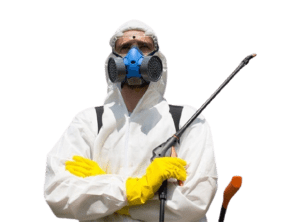
Workers may use suitable PPE and equipment based on site conditions.
Workers should not enter a sewage or drainage chamber without a proper confined-space assessment and the use of appropriate equipment and safety procedures.
Step 3: Removing Standing Wastewater
Where necessary, accumulated wastewater is removed to allow better access to the chamber and make the cleaning process more manageable.
The method used depends on the chamber’s condition and site requirements.
Step 4: Sludge and Waste Removal
Accumulated sludge, silt, solid waste, and debris are removed using suitable equipment.
For heavy buildup, specialized suction or vacuum equipment may be used to remove the waste efficiently.
Step 5: Deep Cleaning
After removing the bulk of the waste, the chamber and relevant surfaces are cleaned using an appropriate method.
High-pressure water cleaning may be used where suitable to loosen any remaining deposits.
The exact cleaning method depends on the chamber structure and the type of contamination.
Step 6: Drainage Line Inspection
If the chamber is connected to a blocked or slow-flowing drainage line, the connected pipeline may also require inspection.
Cleaning the chamber alone may not solve the problem if the actual blockage lies further along the drainage line.
Step 7: Final Inspection
After cleaning, the chamber is inspected again to ensure that major deposits and waste have been successfully removed. To confirm that the system is functioning properly, the drainage flow can also be observed where appropriate.
What Happens If Chamber Cleaning Is Ignored?
Delaying essential chamber cleaning allows sludge and waste to continuously accumulate.
This can contribute to:
- Recurring drainage blockages
- Slow wastewater flow
- Foul odors
- Wastewater overflow
- Unsanitary surroundings
- Increased maintenance needs
- A higher risk of requiring emergency cleaning
A minor buildup can escalate into a major drainage problem if left unattended for an extended period.
How Often Should a Chamber Be Cleaned?
There is no fixed cleaning frequency for every drainage chamber.
It depends on factors such as:
- Chamber size
- Wastewater volume
- Type of property
- Waste generation
- Sludge accumulation
- Drainage system usage
- Previous cleaning history
- Local site conditions
Properties with high wastewater usage or frequent blockage issues may require more frequent inspection and cleaning.
Instead of waiting for an overflow, regular inspections help determine when cleaning is actually needed.
Chamber Cleaning vs Drainage Cleaning
These services are connected but are not exactly the same.
Chamber Cleaning focuses mainly on removing sludge, debris and accumulated waste from the chamber.
Drainage Cleaning focuses on removing blockages and deposits from drainage pipelines and lines.
If a blockage is caused by buildup inside the pipeline, cleaning only the chamber may not completely solve the problem. In such cases, the chamber and connected drainage line may need to be inspected together.
Where Is Chamber Cleaning Required?
Professional chamber cleaning may be required at the following locations:
- Residential societies
- Factories
- Warehouses
- Commercial
- buildings
- Hotels
- Hospitals
- Restaurants
- Schools and colleges
- Offices
- Industrial facilities
Large properties with extensive drainage systems may have multiple chambers that require periodic inspection.
How to Choose a Professional Chamber Cleaning Service?
Before hiring a service provider, check if they:
- Have experience with drainage and sewage chambers
- Use suitable cleaning equipment
- Follow appropriate safety procedures
- Can properly remove and handle accumulated waste
- Understand the difference between chamber and pipeline blockages
- Inspect the site before starting major work
- Can complete the job with minimal disruption
A professional service should focus on identifying the root cause of the problem rather than just providing a temporary cleaning solution.
Get the Best Offer

Welcome to Shree Sai Enterprises, your trusted partner for professional cleaning, maintenance, and sanitation services in Mumbai, Navi Mumbai, and Thane. With years of industry experience, we are committed to delivering high-quality, reliable, and affordable solutions for residential, commercial, and industrial spaces.
Our Client











You can check our client review on official link Click Here!
Frequently Asked Questions
What is chamber cleaning?
Chamber cleaning involves removing accumulated sludge, sewage waste, debris, silt and other deposits from drainage or sewage chambers.
How do I know if my chamber needs cleaning?
Slow drainage, foul odour, repeated blockages, wastewater overflow and visible sludge buildup can indicate that a chamber needs inspection or cleaning.
How often should drainage chambers be cleaned?
There is no universal schedule. Cleaning frequency depends on wastewater usage, sludge accumulation, property type, chamber condition and previous maintenance requirements.
Can chamber cleaning stop drainage blockage?
It can help when the blockage or restriction is caused by waste accumulated inside the chamber. If the blockage is inside the connected drainage pipeline, additional drainage cleaning may be required.
Is chamber cleaning safe?
Chamber cleaning involves sewage and potentially hazardous conditions, so appropriate PPE, equipment and safety procedures are important. Confined-space entry should only be carried out under proper safety controls.
Do you provide chamber cleaning services in Mumbai?
Shree Sai Enterprises provides chamber cleaning and related drainage and industrial cleaning services for properties in Mumbai and nearby areas, depending on the site requirement.
Keep Your Drainage Chambers Clean and Functional
Drainage chamber cleaning should not be treated only as an emergency service. Regular inspection can help identify sludge buildup, recurring blockages and other drainage problems before they become more difficult to manage.
If your property is experiencing slow drainage, foul odour, repeated blockages or wastewater overflow, professional chamber inspection and cleaning can help identify the right solution.
Shree Sai Enterprises provides professional Chamber Cleaning, Drainage Cleaning, STP Cleaning and other industrial cleaning solutions across Mumbai and nearby areas.
